We're committed to creating evidence-based programs and services that make a lasting impact on the lives of Aboriginal people in need. With better measures and a focus on continuous improvement, we can provide better outcomes.
Learn moreCtGR is a catalyst for change in the lives of Aboriginal people facing adversity.
We aim to close the gap and make a positive impact on the lives of Aboriginal people facing adversity. We will do this by focusing on education, employment, and rehabilitation, ultimately creating better measures for programs and services for Aboriginal communities.
Collecting and analysing data from service providers to ensure funding allocations are backed by evidence and lead to real, quantifiable improvements.
Listening to those in need, not because of their race but their humanity. We will understand these people as people, their strengths and weaknesses.
Building key partnerships with organisations that share a dedication to continuous improvement and are open to publishing their methods, outcomes and success measures.
Conducting independent research to identify the unique needs and challenges within Aboriginal communities to inform and guide our mission.
...helping those in need
Brisbane
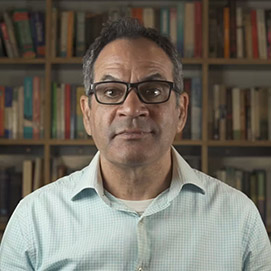
Wesley is from the Gold Coast Aboriginal community and has an extensive career as a specialist advisor in Indigenous affairs.
He is the Director at Centre for Indigenous Training and a number of other indigenous organisations. Wesley was also the first Indigenous graduate from the Royal Military College, Duntroon. You can find him sharing his knowledge and insights on the CIT YouTube channel.
NSW
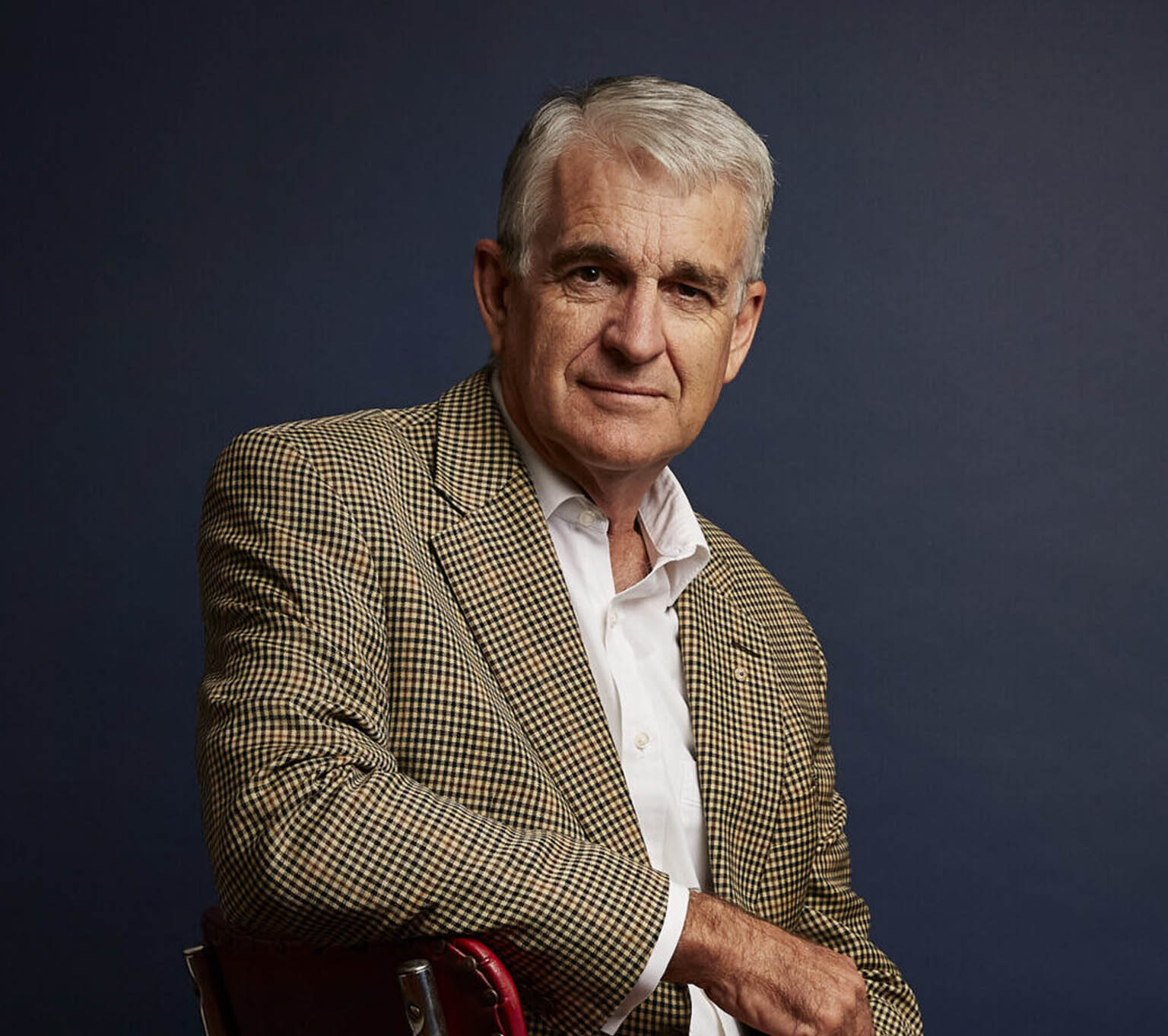
John is a sixth-generation farmer and grazier from New South Wales. He served as a senior Cabinet minister in the government led by John Howard.
John's career has also included six years as Leader of the National Party and Deputy Prime Minister. After politics he has been published in a number of publications and launched an interview series called Conversations with John Anderson.
VIC
Dr. David Barton, an advocate for Aboriginal affairs since 1970, started his impactful journey as the 'Community Youth Officer' in Alice Springs in 1983.
Despite losing everything in the 2009 Black Saturday bushfires, his resilience led to him being awarded Bravery Medals and Service Commendations. Holding a diverse set of qualifications, including a PhD in Sociology and Anthropology, David continues to make meaningful contributions to Aboriginal people and the wider community. Learn more about David on LinkedIn.
Perth
Trish is a descendant of the South Sea-Island Kanaka and Aboriginal Communities. She has decades of experience working in the community services sector.
Inspired by her Great Uncle Eddie Mabo's work in indigenous recognition, Trish is the Director of Arise, an ATSI corporation that aims to end poverty and create generational wealth, for every Australian. Learn more about Trish on the Arise website.
Adelaide
Ian's ancestral lands are around Alice Springs (Mparntwe). He started and developed Kings Creek Station NT between 1981-2020.
Ian also created Indigenous Kids Future, an educational trust for disadvantaged children in remote communities. He is passionate about making a positive impact on the lives of Aboriginal people facing adversity.
Brisbane
Gary was a minister in the Keating Labor government, Associate Commissioner of the Productivity Commission, and Commissioner of the Australian Charities and Not-for-Profits Commission.
Dr Johns has an extensive career playing a pivotal role in shaping government policy and addressing pressing social issues. He is also the author of Burden of Culture which provides a new perspective on one of the most divisive political issue in Australia today.
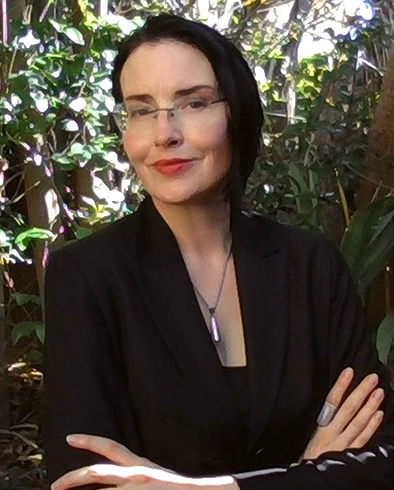
As a multidisciplinary researcher with a focus on psychology, law, justice and public policy, Samara McPhedran holds degrees in psychology and law.
With a prolific publication record, Dr McPhedran has contributed over 100 articles, chapters, reports, and presentations on topics such as mental health, suicide, homicide, and domestic violence.
Having held research, policy, and program management positions in government, academia and the private sector, including as the Founding Director of the Griffith University Homicide Research Unit, she is recognised for her expertise.
Samara has provided counsel to government, community groups, and service providers, including providing recommendations on enhancing wellbeing and preventing suicide among young Indigenous people.
She is dedicated to evidence-based recommendations, actively participating in advisory groups and contributing to policy and legislative changes.
As our research fellow, Dr McPhedran will contribute to shaping a strategic research agenda, identifying knowledge gaps and ways to address them, and building evidence around Aboriginal wellbeing and outcomes.
Pursuing this important mission requires solid financial backing. Close the Gap Research graciously accepts donations of any amount to further the cause.
Donate via bank transfer BSB: 114 879 Account: 436 211 263
Donate via PayPal Scan the QR code or click the button below to make a donation. You will be taken to our Paypal payment processing page.
Complete the form to subscribe and receive important updates about our research efforts, upcoming events and early access to publications and resources.